



Understanding Roof Ventilation
Roof ventilation plays an essential role in maintaining a healthy attic environment. It allows for the exchange of stale, warm air with cooler, fresh air, which can help prevent a range of issues, including moisture buildup, high energy costs, and shingle degradation.
Types of Roof Ventilation Systems
There are two primary types of ventilation systems: natural ventilation and mechanical ventilation.
- Natural Ventilation: This system relies on the principles of warm air rising and cooler air entering. It typically employs passive vents located on the roof and soffit (the underside of the roof overhang). Common components include:
- Ridge Vents: Installed along the peak of the roof, ridge vents allow warm air to escape while creating a vacuum that draws in cooler air from the soffit.
- Soffit Vents: Positioned under the eaves, these vents facilitate the intake of fresh air from outside.
- Gable End Vents: These provide additional airflow at the ends of the attic and can be passive or powered.
- Mechanical Ventilation: This system uses fans or blowers to enhance airflow within the attic space. While more efficient, mechanical systems may increase energy consumption and require more maintenance.

Energy Efficiency in Denver’s Climate
Proper roof ventilation is critical for energy efficiency, especially in Denver, where residents experience hot summers and cold winters. Inadequate ventilation can lead to an increase in attic temperature during summer, forcing air conditioning systems to work harder, which raises energy bills. Conversely, in winter, poor ventilation can lead to heat buildup, which can cause ice dams on your roof.
The ideal ventilation ratio is generally recommended at 1 square foot of ventilation for every 300 square feet of attic floor space. In Colorado’s climate, it is advisable to balance this ratio with the insulation properties of your home to optimize energy efficiency.
Impact on Shingle Lifespan at High Altitude
Colorado’s high-altitude environment can place extra stress on roofing materials. Excessive heat build-up in the attic can lead to premature deterioration of asphalt shingles. When the temperature differential between the attic and the outside air is not regulated, shingles may age faster than they normally would, shortening their lifespan significantly.
Roofing systems that benefit from adequate ventilation tend to have shingle warranties that last longer due to reduced thermal cycling effects. By ensuring your attic is properly ventilated, you can maintain the integrity of your roofing materials and extend their lifespan.
Moisture Control Benefits in Colorado’s Dry Climate
Despite Colorado’s reputation for being dry, the state experiences fluctuating humidity levels that can result in moisture buildup in attics. Inadequate ventilation can trap humidity, leading to mold growth and wood rot. These problems can compromise the structure of your roof and overall home integrity.
A well-ventilated attic allows moisture to escape, reducing the risk of mold development and improving indoor air quality. This, in turn, contributes to the comfort and health of your living space and can save you from costly repairs down the line.
Ice Dam Prevention During Freeze-Thaw Cycles
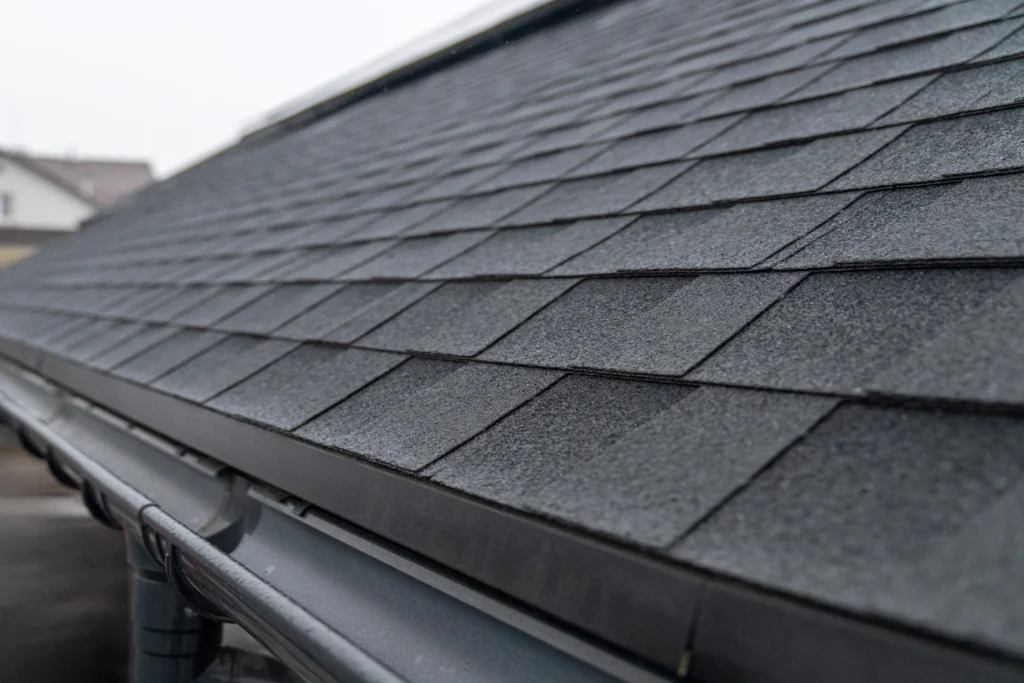
In Colorado, particularly during winter, homes often experience freeze-thaw cycles. Heat escaping from poorly ventilated attics can cause snow on the roof to melt. This melted snow runs down the roof until it reaches the colder eaves, where it refreezes, forming ice dams.
Ice dams can lead to water backing up beneath shingles, causing leaks and significant water damage. Effective ventilation, paired with proper insulation, helps maintain uniform temperatures across the roof, preventing the formation of ice dams and protecting your home.
Attic Temperature Regulation
Ideal attic temperature regulation is vital not just in summer but throughout the year. By maintaining a consistent temperature, homeowners can minimize energy costs associated with cooling and heating.
For instance, a well-ventilated attic should ideally remain cooler in summer to prevent excessive heat from entering the living spaces below. During winter months, keeping the attic adequately ventilated helps maintain warmth while avoiding moisture issues from condensation.
Signs of Poor Ventilation
Homeowners should be vigilant for several signs indicating inadequate attic ventilation:
- High Energy Bills: Unusual spikes in heating and cooling costs may indicate your system is working overtime due to poor ventilation.
- Stale Air or Odors: A musty smell or stagnant air in the attic can signify trapped moisture.
- Ice Dams: As previously discussed, ice dam formation can be a clear indicator of ventilation issues.
- Condensation: Moisture on attic surfaces, especially on the underside of the roof deck, points to inadequate ventilation.
- Mold Growth: The presence of mold is a sure sign that excess moisture is not being effectively expelled.
Ventilation Improvement Options
If you suspect your home has ventilation issues, there are several effective options to improve airflow:
- Inspect and Clean Existing Vents: Ensure that all vents are free from obstructions, such as debris or insulation blocking airflow.
- Add Additional Vents: If necessary, consider adding more soffit or ridge vents to increase airflow.
- Install Fans: For severe cases, mechanical ventilation systems such as powered attic fans can help facilitate airflow.
- Upgrade Insulation: Enhanced insulation can work in tandem with ventilation, improving overall home energy efficiency.
Understanding Colorado Building Code Requirements
In Colorado, building codes stipulate guidelines for roof ventilation. Generally, the building code aligns with the National Roofing Contractors Association (NRCA) standards, which advocate for the 1:300 ratio of ventilation. In attics with a vapor barrier, the required ratio increases to 1:150. Maintaining compliance with these specifications is integral to ensuring that your home’s ventilation strategy meets legal and functional requirements.
Conclusion
Proper roof ventilation is essential for homeowners in Colorado to ensure energy efficiency, extend the lifespan of roofing materials, and protect against moisture-related issues. By understanding the various ventilation systems, their components, and the specific challenges posed by Colorado’s climate, homeowners can make informed decisions about their roof’s health.
If you’re unsure about your home’s ventilation status or want to improve your roofing system, consider scheduling a ventilation assessment with MTN Roofing. Our team of experts is knowledgeable about whole-roof systems beyond just shingles and is ready to help you optimize your home’s performance for years to come.
Contact us today to learn more about our ventilation assessment services and take the first step towards a healthier, more energy-efficient home!