




The Homeowner’s Essential Guide to Documenting Roof Damage for Insurance Claims
The moments following a storm can be frantic, but prompt action is key. Here’s a timeline to follow:
- Immediately After the Storm: Ensure your safety first. Avoid entering your home or touching the roof until you’ve fully assessed the situation. Secure any obvious breaches (like tarps over holes), but avoid making permanent repairs until you have documented everything.
- 24 Hours Post-Storm: Begin initial documentation. Write down a brief description of the storm (date, time, type of storm), and list any visible damage you can see from the ground.
- After 48 Hours: Start taking photographs. Aim to document all visible damage—this will serve as crucial evidence for your insurance claim.
Photography Best Practices with Example Shots
Photographic evidence is one of the most effective ways to document roof damage. Here are best practices to ensure your images are clear and useful:
- Use Natural Lighting: Take photos during daylight to avoid shadows. Early morning or late afternoon provides the best light.
- Wide-Angle Shots: Capture the entire roof structure with wide-angle shots. This gives context to the damage.
- Close-ups: Get detailed shots of specific damage areas—cracks, missing shingles, or punctures.
- Before and After Photos: If possible, include photos of your roof before the storm to highlight the changes.
Example Shots:
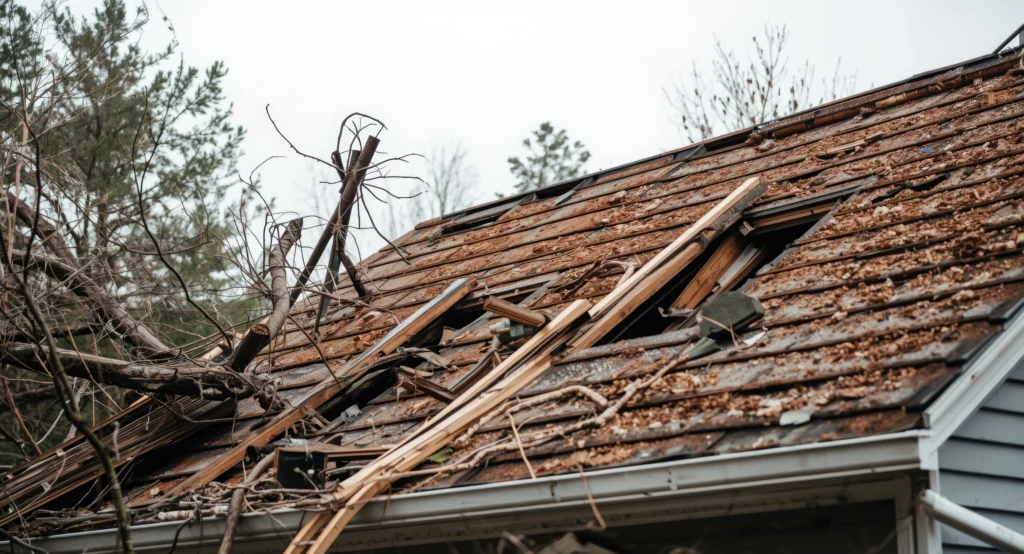
- Wide shot of the entire roof showing its condition post-storm.
- Close-up of cracked or missing shingles, documenting what needs repair.
Drone Documentation Options
Drones offer an innovative way to document roof damage that traditional photography can’t always match. They allow you to capture high-resolution images or videos for a comprehensive assessment. Here’s how to utilize drone technology effectively:
- Hire a Professional: If you’re unfamiliar with drone operation, it’s best to hire a professional. They can capture aerial shots while ensuring compliance with any local regulations.
- Obtain Detailed Aerial Images: A drone can give you a bird’s-eye view of the roof, revealing damage that’s hard to see from the ground.
Hiring a drone service may be a bit of an investment, but it could provide critical visual evidence for your claim.
Inventory Creation Methods
Creating an inventory of all the damages and the items affected by the roof damage is another crucial step. Here’s a simple method:
- List Damage: Write down each type of damage and its location on the property.
- Categorize: Organize your items into categories:
- Structural Damage
- Interior Damage (e.g., ceilings, walls)
- Landscaping Damage
- Use Technology: Utilize applications or spreadsheets to keep track of your inventory, making it easier to share with insurance adjusters.
Damage Measurement Techniques
Accurate measurements of roof damage can strengthen your claim. Here’s how to measure effectively:
- Rooftop Measurements: If safe, use a measuring tape or laser measure to assess the size of the damaged area. Note the size in square feet.
- Interior Impact: Measure any interior damage caused by roof leaks, documenting dimensions of affected areas (e.g., rooms, ceilings).
- Record Everything: Include measurements in your documentation to provide the insurance adjuster with a clear picture of the damage’s scale.
Professional Assessment Documentation
While your personal documentation is essential, a professional assessment can lend credibility to your claims. Here’s how:
- Contact a Roofing Professional: Schedule an inspection with a licensed roofing contractor who can provide a detailed report of the damage.
- Request Documentation: Ensure the professional documents their findings in writing, which you can then submit to your insurer.
- Get a Repair Estimate: Having an estimate for repairs not only helps with your claim but can also inform your insurer about the potential costs associated with repairing the damage.
Organizing Digital and Physical Evidence
Keeping your documentation organized is essential for a smooth claims process. Here’s how to structure your evidence:
- Digital Folder Structure: Create a digital folder on your computer titled “Roof Damage Claim.” Subfolders could include:
- Photos
- Inventory Lists
- Professional Reports
- Correspondence with Insurers
- Physical Documentation: Print essential documents and keep them in a dedicated binder. Regularly update it with additional documentation as it comes in.
- Regular Backups: Ensure that your digital evidence is backed up, whether that’s in the cloud or on an external hard drive.
Creating a Damage Timeline
Establishing a timeline of events can significantly strengthen your claim. Here’s how to create one:
- Chronological Events: Document each incident, from the storm date to repair estimates and communications with insurance.
- Detailed Notes: Include detailed notes about conversations or correspondence with your insurance adjuster, including dates and responses.
- Visual Timeline: Consider creating a visual timeline using tools like spreadsheets or project management apps to clearly illustrate the progression of events.
Working Effectively with Insurance Adjusters
When it’s time to present your claim to an insurance adjuster, effective communication can impact the outcome. Follow these tips:
- Communicate Clearly: Summarize your findings succinctly. Use your organized documentation to support your statements.
- Be Responsive: Respond quickly to requests from the adjuster. Delays can complicate or prolong the claims process.
- Ask Questions: Don’t hesitate to ask questions if something is unclear. This demonstrates your engagement and understanding of the claims process.
Conclusion
Documenting roof damage is not just about taking some photographs; it’s a comprehensive process that requires organization, attention to detail, and effective communication with your insurance provider. With the methods outlined in this guide, you’ll be well-prepared to file a strong insurance claim that accurately reflects the damage to your roof.
If you find yourself overwhelmed with the insurance claims process, remember that MTN Roofing is here to help. Our experts specialize in navigating the complexities of insurance claims and can assist you in documenting damage and communicating with your insurance provider. Contact us today for professional assistance with your insurance claim!
FAQ
What should I do immediately after a storm if I suspect roof damage? Ensure your safety first, assess the damage from a distance, and document any visible issues.
How important is photographic evidence for insurance claims? Very important; it provides solid proof of damages and supports your claims made to the insurance company.
Can drones be used for roof inspections and documentation? Yes, drones can capture detailed aerial views of your roof, revealing damage that may be hard to see from the ground.
Should I hire a professional for roof damage assessment? It’s recommended as a professional inspection can provide credible documentation and repair estimates.How can I organize my documentation for my insurance claim? Create a digital folder for your documentation, categorize the evidence, and keep a binder for physical documents.